
When individuals face heightened anxiety or stress, they may turn to alcohol for its sedative properties. This reliance can escalate, with alcohol gradually becoming a crutch and not a solution. The Sleep Foundation warns that regular alcohol use before bed leads to tolerance, causing individuals to consume progressively more to achieve the same sleepy effect. Understanding alcohol dependency’s impact on sleep is trouble sleeping without alcohol critical for addressing its root causes.
Health Conditions
If this is the case, try to find some relaxing way to ease your mind when you go to bed. Some people also find journaling helps them to reduce feelings of anxiety. One thing you’re likely to notice when you’re trying to stop using alcohol to sleep, is it takes a lot longer for you to fall asleep initially at night. Taking a nice, hot bath or shower is a fantastic alternative for alcohol for sleep. The application of hot water to the skin helps open pores and facilitates blood flow and muscular relaxation. Instead of pouring yourself a drink, treat yourself to a self-care night and a great night of sleep.
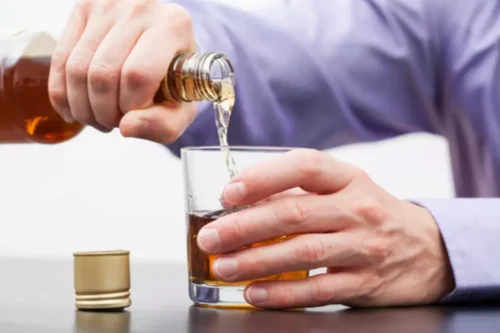
Can’t Sleep Without Alcohol? End Your Frustration With These Tips.
Being active or exercising before bed can promote sleep by increasing your level of fatigue. Exercise can increase endorphins, the brain chemicals that improve mood and relaxation. Additionally, consuming alcohol right before bed increases your chance of waking up to use the restroom at night and experiencing parasomniac behaviors such as sleepwalking. While alcohol does initially make you feel sleepy, it significantly impacts the quality of your sleep, and not in a good way. In the pursuit of alleviating insomnia post alcohol detox, practical tips go a long way in helping one combat sleeplessness.
How To Sleep Without Alcohol?
Some individuals may want to reach out to a medical provider to assess whether or not they have a preexisting condition and seek appropriate treatment. According to the Substance Abuse and Mental Health Services Administration (SAMHSA), between 25 and 72 percent of people in care for an alcohol use disorder (AUD) have sleep issues. Insomnia, disturbed sleep cycles, sleep apnea, and other sleep-disordered breathing are examples of sleep problems. These problems can last for any period of time ranging from weeks to months or even years after the drinking stops. Chronic use can lead to severe sleep disorders, including insomnia and sleep apnea.
- Experiencing insomnia during alcohol withdrawal is a common but challenging obstacle for many attempting to reduce or cease alcohol use.
- As estrogen and progesterone begin to decline (and fluctuate unpredictably) during perimenopause, they can take a direct toll on the very systems that regulate your sleep-wake cycle.

Calories saved from alcohol can also contribute to weight loss and better cardiovascular health. Furthermore, breaking free from alcohol dependency can also improve the skin, as alcohol causes dehydration leading to premature skin aging. Remember, these are averages based on research and does not apply uniformly to every individual experiencing insomnia after quitting alcohol. It always does good to approach this journey of recovery patiently and optimistically, savoring every little milestone along the way. Just like the variances seen in the science behind insomnia after alcohol detox, the duration of insomnia after quitting is equally diverse. Alcohol withdrawal can be an emotionally turbulent period for many.
Insomnia After Quitting Alcohol: A Detailed Look at Causes and Solutions
Consider trying relaxation techniques such as deep breathing exercises, progressive muscle relaxation, or engaging in activities that promote mindfulness and meditation. These practices can help reduce stress levels and promote a sense of calm before bedtime. Learning healthy ways to cope with insomnia without alcohol is crucial for long-term recovery success. Alcohol withdrawal insomnia refers to the significant sleep disturbances that occur when someone stops drinking after a period of regular alcohol use.

And we’ll tell you some healthier alternative ways of getting to sleep at night without alcohol. However, while it may help them fall asleep initially, it ultimately leads to poorer quality of sleep and increased awakenings throughout the night. Over time, reliance on alcohol can create a vicious cycle that makes insomnia worse. With professional assistance,and determination, withdrawal and other side effects can be managed and you can achieve the quality of life you deserve. Alcohol addiction can be difficult and potentially dangerous to recover from on your own. Severe alcohol withdrawal can be deadly, so heavy alcohol users should not attempt to wean off alcohol without the help of a professional medical detox facility.
- This stops your brain from feeling stimulated and instead relaxes you.
- In the early stage of alcohol withdrawal, many individuals experience an increase in sleep latency (the time it takes to fall asleep) and frequent night awakenings.
- You’ll be more likely to fall asleep fast if you avoid stimulation before bed.
- For some addicts, the problem may be their urge to constantly sip on something.
Types of Insomnia
Unfortunately, if you need alcohol to sleep, you may struggle long-term. Regardless of the cause, figuring out the root of the issue will help Drug rehabilitation you develop other methods to fall asleep. The more sleep debt you have, the worse your energy, mood, and productivity will be. Knowing this recovery phase enables one to prepare for adversity and commit to living sober.